


Since our rulers are turning the world into humongous AI data centers that are going to consume almost all of the electricity we can produce and almost all of the water we rely on to live, and since they intend to use AI to replace human beings everywhere they can, I figured I would read some books to educate myself about how AI works.
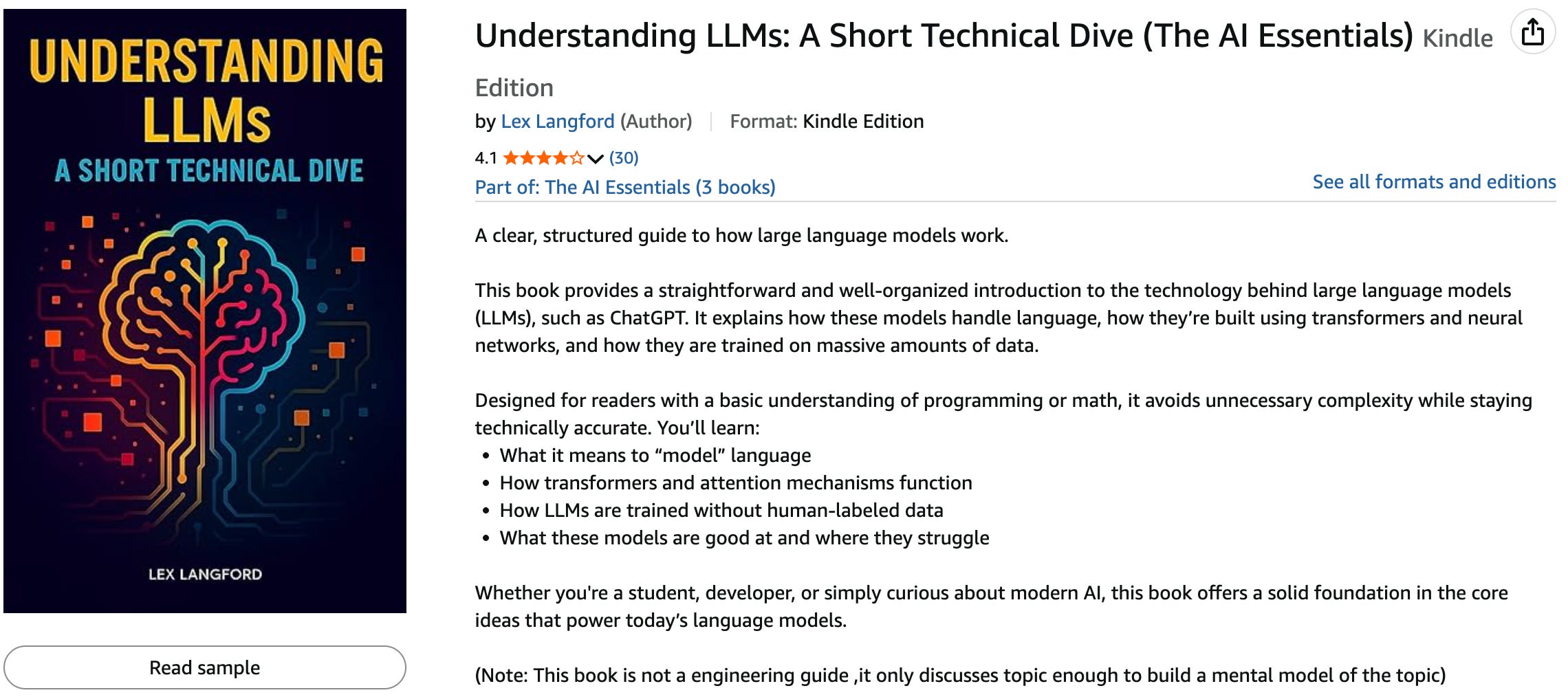
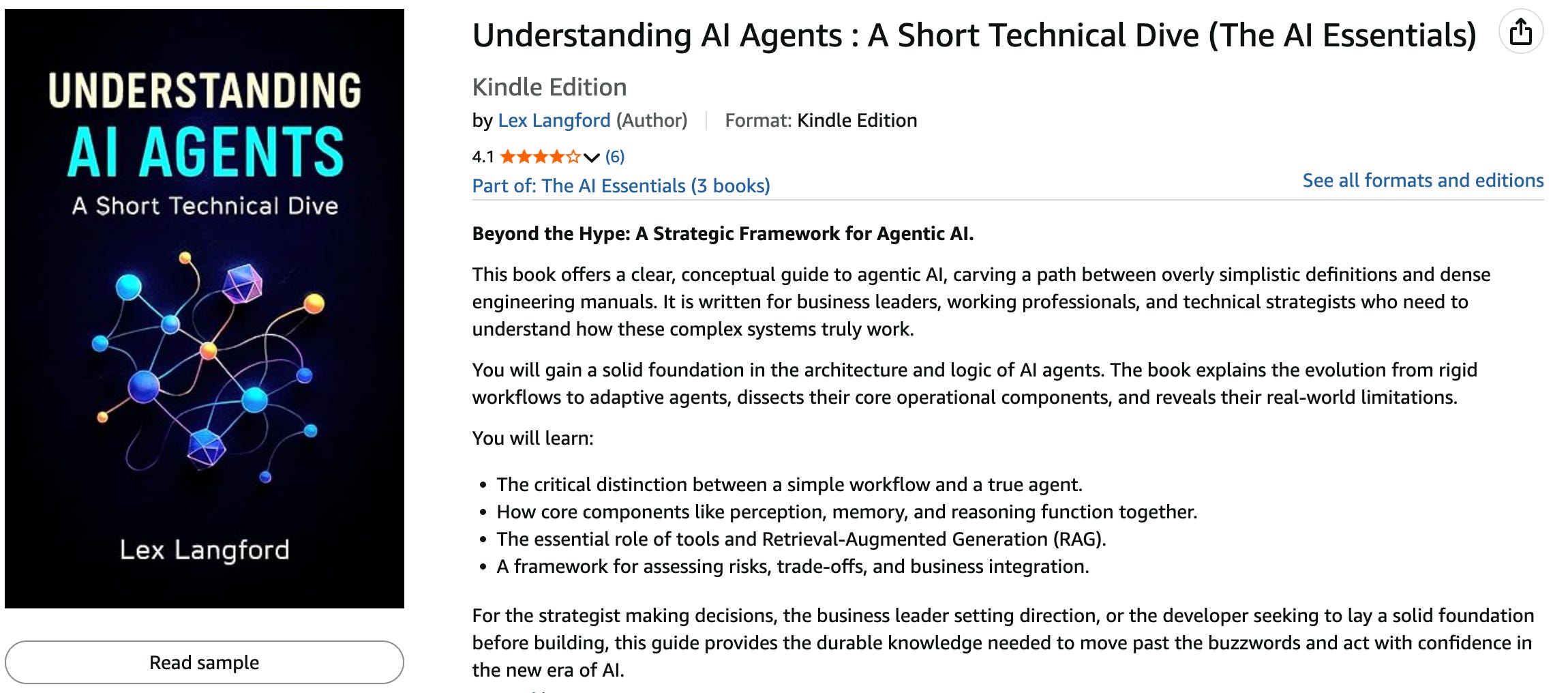
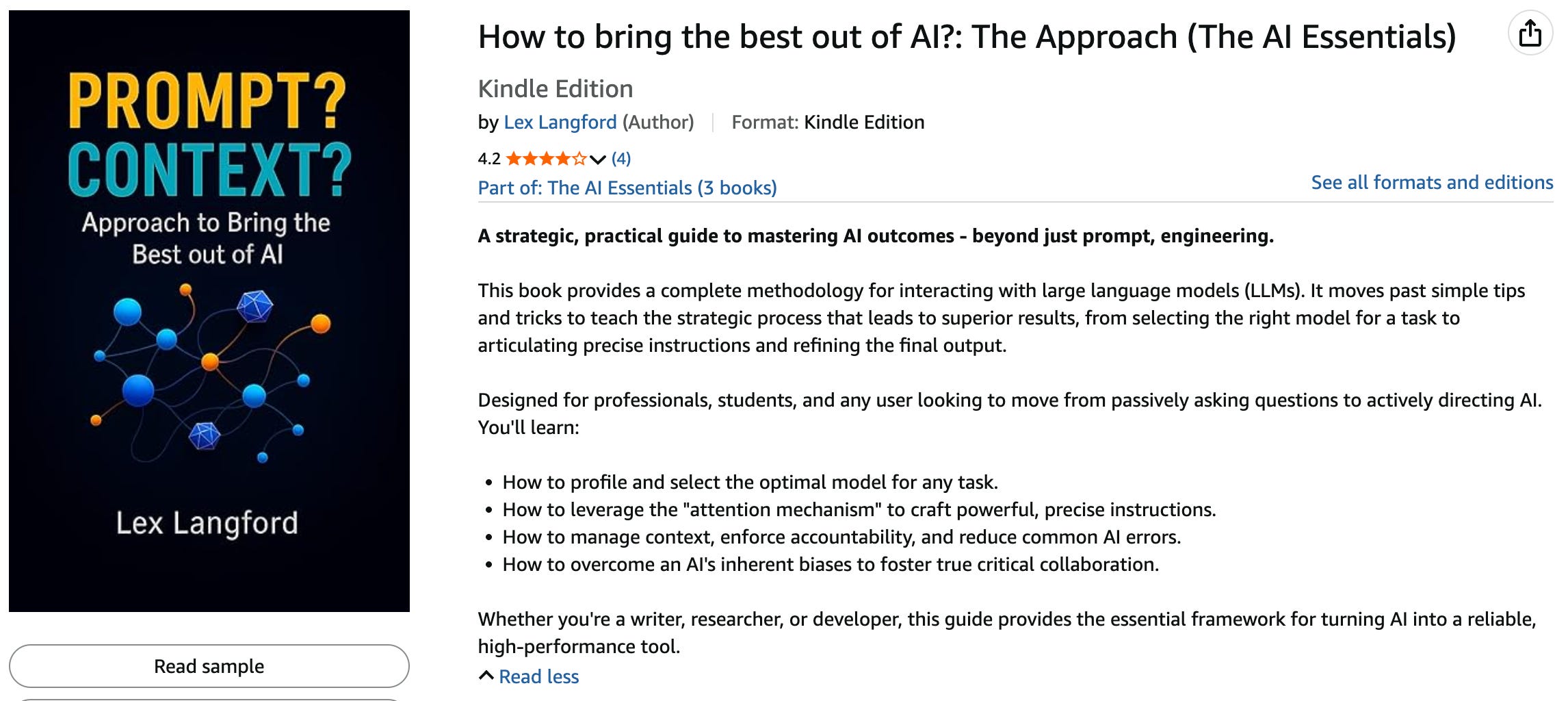
Here are the books I have read so far, and their previews on Amazon:
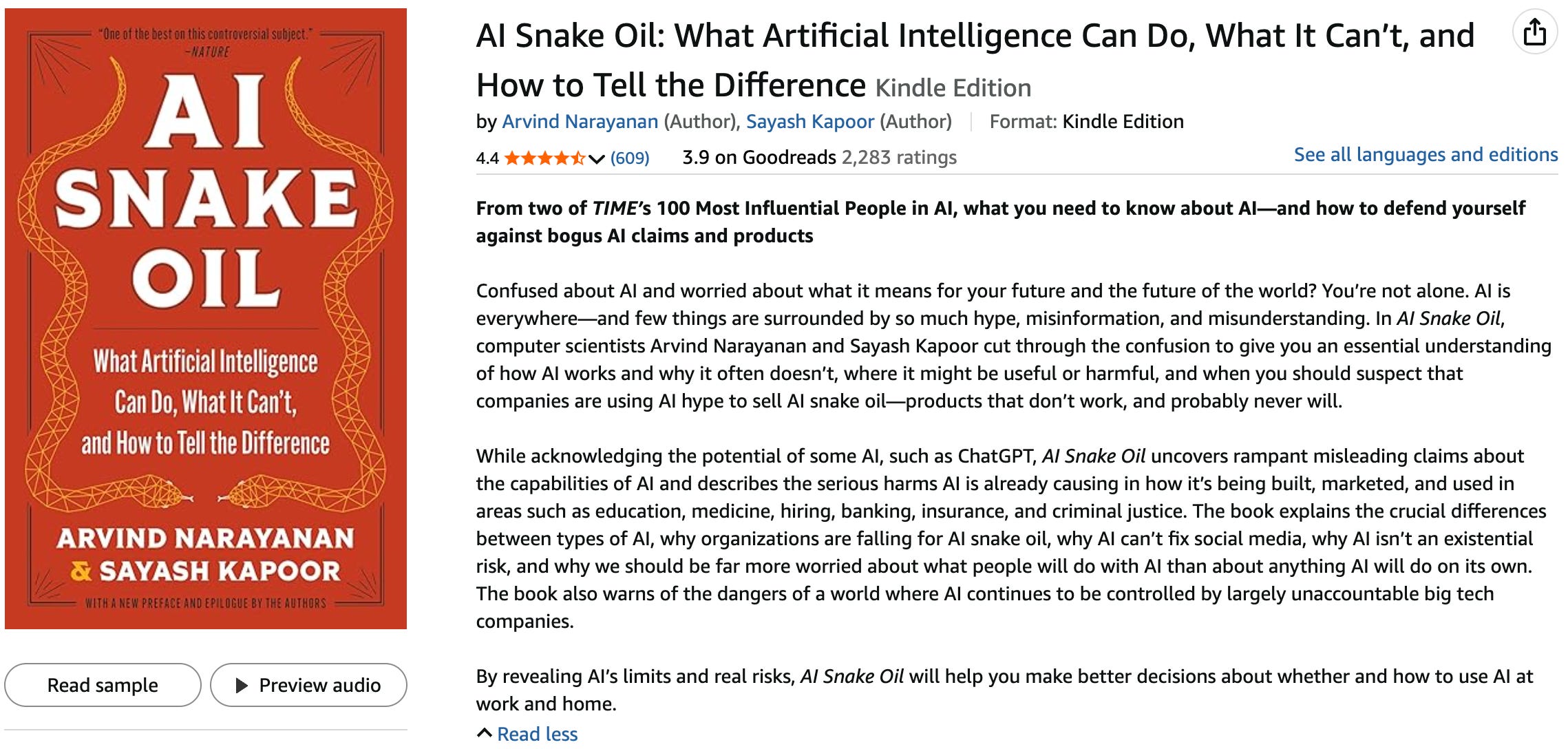
published by Princeton University Press
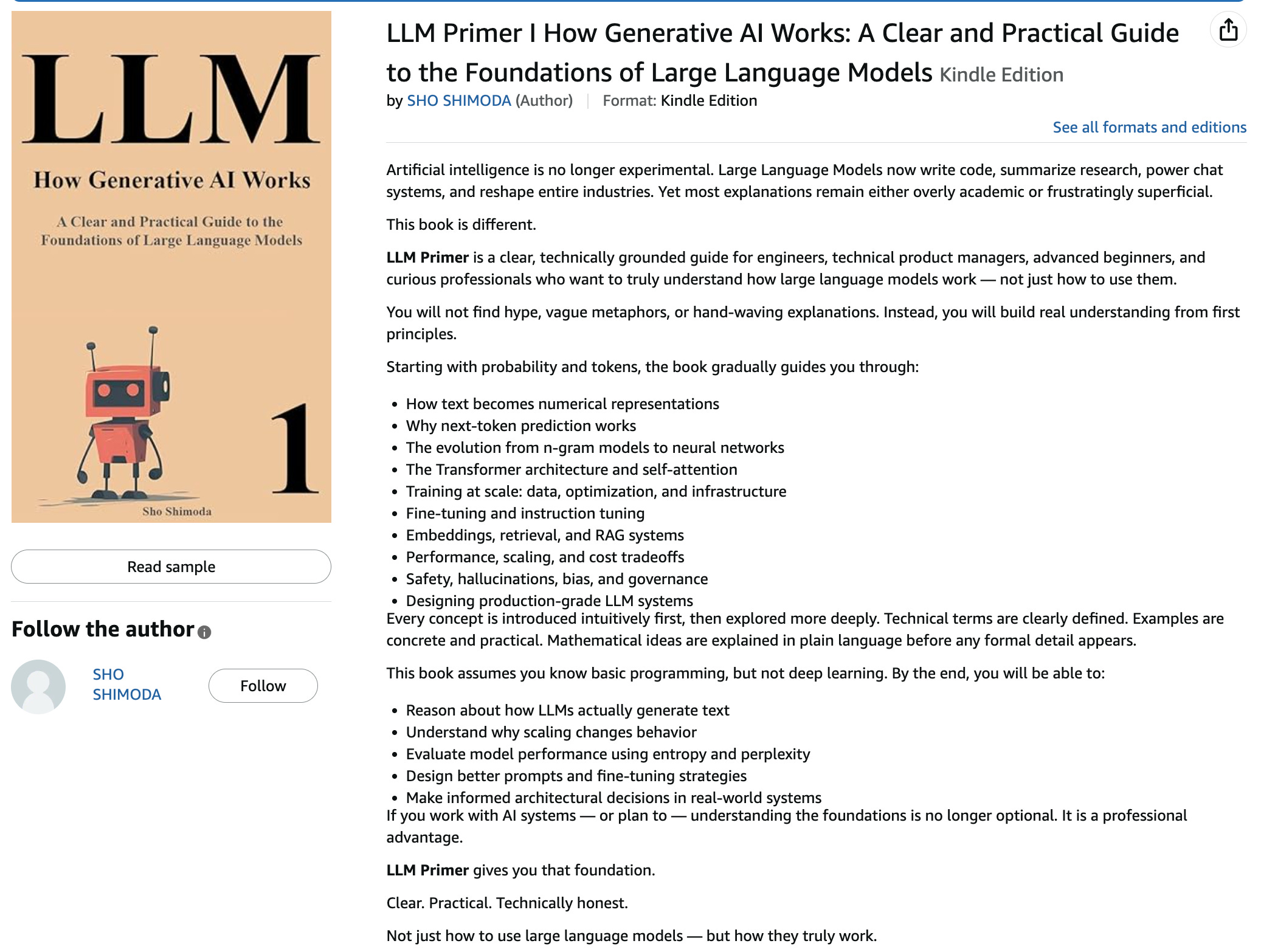
Curiously the three books by Langford and the book by Shiimoda, shown below, do not display who the publisher is in my kindle versions or on the Amazon website.
What I learned
From the Snake Oil book I learned that AIs cannot predict the future of human behavior, despite the fact that several AI companies sell products that they claim can do so. For example, products that supposedly can tell if a person being considered to be hired will be a good employee cannot actually do that. These products are typically never tested in real life to see if they work.
From the same book I learned that there are many stupid AIs being sold. For example one sold to hospitals predicted that a certain category of patients, known to be at high risk for further complications and hence customarily placed in an ICU for very close monitoring to prevent complications, need not be placed in an ICU because they didn’t develop complications very often. The AI drew this absurd conclusion based on the fact that its training data consisted of patients who, when they were at high risk of complications, were in fact placed in an ICU to prevent those complications. So in the training data patients at high risk of complications didn’t develop them very often and therefore—-VOILA!—they didn’t need to be placed in an ICU and the hospital could save a lot of money by not placing them in an ICU. See, AI will save you money!
From the LLM: How Generative AI Works book (which I’ve only read through Chapter ten) I learned this.
The breakthrough idea that made modern AIs possible is the idea that the way to make a computer act as if it had human intelligence is completely different from the way that people had originally been trying to do it, which was by writing explicitly into its program this or that knowledge or rules of logic and stuff like that. No. That doesn’t work well at all.
The new idea is this.
First, aim for the computer (an LLM, or Large Language Model) to be able to take as input some text (like a question, say) and return—conditional on the specific input text—one word (or possibly just a part of a word) so that this word (or part of a word, which is called a token, and which could even be just some punctuation mark, etc.) is appropriate and makes good sense to be the first word/token returned in response to the text. Then add that new token to the end of the text and do it all over again to come up with the second, subsequent, token that is appropriate and makes good sense conditional on the original text plus the added token. Then add that second token to the text and do it all over again to get the third, subsequent, token conditional on all the previous text and new added tokens. And so on until a good “answer” is produced that is close to being what a human being would have replied. That’s the aim.
Second, the way to make the computer do what is aimed at is to make it so that in order to produces the next token the computer applies an algorithm to the input text (plus new added tokens) that produces the next token. Simple, uh?
How does the algorithm get determined, though?
It gets determined like this. The algorithm is one whose behavior (what it does to select the next token) is determined by sometimes as many as a trillion (TRILLION!!) settings. Each setting is a number that gets used by the algorithm in some way. These numbers are called parameters. Each parameter has some effect on what exactly the algorithm does. And no two parameters have the same effect. (The name given to the computer algorithm is “neural network,” by the way. The name is inspired by what little we know of how our brains work, which is by having zillions of neurons that each receive inputs from possibly ten thousand other neurons and send their outputs in turn to possibly ten thousand other neurons. A neural network has lots of “neurons” that receive values from many other neurons and send values to many other neurons, with the TRILLION parameters determining exactly how.)
What next token the algorithm selects (from a zillion possible tokens, meaning words or parts of words in all of human-produced text as discussed below) depends entirely on what the parameters happen to be. So all one needs to do (ha!) to make the LLM work wonderfully (i.e., appear to perform almost like a human) is to set all those TRILLION parameters to each be just the right value. With good parameter settings, when the input text is, say, “What is the capital of France,” then the selected token would be “Paris.” How hard could that be?
Well, it is a little bit of a challenge, especially since, with a neural network, it is virtually impossible even to know what effect this or that parameter’s value actually has on the final choice of a token. The only way to know what this or that setting of parameter values does is to set the parameter values and then just see what the neural network does with them. If this sounds like trying to fly a Boeing 747 passenger jet when you haven’t a clue what all those dials and buttons and knobs in the cockpit do, then you have the right idea!
So, here’s what the AI scientists do. It’s called “training the model.”
Gather up trillions and trillions and trillions of examples of human-produced text of all kinds from novels to scientific research to religious tracts to computer code to translations from one language to another; you name it. Put them all in a data center that the LLM can access.
Then, to start with, set all of the TRILLION parameter values to some arbitrary (randomly chosen) values. Let the neural network use those parameter values to determine (guess), for each of the zillions of possible tokens (in the human text), the probability that, in the real human-produced text, that particular token would be the next token following the input text (with its previously added new tokens). If the input text were “What is the capital of France?” then a probability would be assigned to each of the possible zillion tokens and if the parameter settings are very good then the token, “Paris,” would be assigned a higher probability than the other tokens such as “gorilla” and “leg” and “ouch” and “pre” and so on.
The LLM will use this probability distribution to select the next token. Some LLMs do it, for example, by selecting the token with the highest probability, or randomly picking one of the tokens from those that tie for having the highest probability. Some use a slightly more complicated method to try to pick the tied token that fits the input text context best. This is just a minor detail.
Next, the neural network’s determination of these zillion probabilities is compared to the actual correct probabilities based on the human-produced text in the data center (i.e., the correct probability for the word “Paris,” when the input text is “What is the capital of France?” would be the the proportion of times that the word “Paris” follows the words “What is the capital of France?” in the human-produced text.) Then a score (using some metric, which is just a detail) is assigned to reflect how well the neural network did with the particular parameter values it was using. A score might be used such that the higher the score the closer to correct was the neural network’s probabilities for all of the zillion tokens in the human-produced text.
Next, the people training the LLM on the data center’s vast collection of text use a sophisticated method to very slightly change some parameter settings in a direction that it seems (using calculus) would improve the neural network’s score. The neural network then uses these slightly changed parameter settings to get the zillion token probabilities and a new score is obtained. Based on this result, the people training the LLM (yes, this is all done by computer, of course) very slightly modify the parameter settings a bit more, hoping the score will be better still. If the new score is worse, then they modify the parameters a little bit differently. This goes on and on and on and on (perhaps for weeks of vast computers running!) until the trillions of parameter settings are such that the LLM score is as high as it can be made and it returns very sensible human-like tokens, one after the other, no matter what the initial text input is, and the LLM acts almost human.
The only thing that makes the above possible is the fact that a neural network with a TRILLION parameters can do something that any computer program with only ten or a hundred or even a thousand parameters would never be able to do or even come close to doing. (I am reminded here of something that Joseph Stalin—of whom I am no fan at all!—is reputed to have said: “At a certain point, quantity acquires a quality of its own.”)
It is indeed amazing what a neural network with a TRILLION parameters, whose values are TEDIOUSLY determined (“trained”) by a kind of sophisticated trial and error (requiring even weeks of vast arrays of computers running and using up more electricity and water for cooling and land than some cities use) can end up doing. It can act almost like a human. Almost.1
Once the parameter values have been found that make it work (i.e., get very high scores almost all the time), the LLM machine is an AI machine that can be sold to somebody and used without any access to the data center; it’s parameters now “know” how language works. It can be a chatbot or a (phony) therapist or produce computer code and so on. Yes, there are bells and whistles to be added, as the last book in the list above also discusses. Such as, the same set up with a neural network and trillions of parameters and training with a humongous God-awful data center can be applied to having the AI handle pictures and graphics and video, all of which can be converted into a string of “text.”
So yes, AIs can do amazing things. But do We the People want to make all of the sacrifices that are required to create the monstrous data centers required so that the AI training can be done? Do We the People want AIs to be built and trained when the oppressive/predator rulers of the world will control how they are used?
I say “No” and wrote why here.
I invite you to read how AI destroys good writing and replaces it with “AI slop” in this Quora post.
Consumerreports.org online here has a very detailed report about the enormous ecological and social cost of the rapidly increasing number of massive AI data centers. I strongly encourage you to read it, and then ask yourself, “Do We the People want these data centers?”

John Steinbach was shocked to receive a $281 electricity bill in January 2026—a huge spike from the roughly $100 he’d paid the previous month. “It’s just so far beyond any bill that I’ve ever had,” he says. Steinbach, who has lived in his Manassas, Va., home for nearly 40 years, worries his rates will keep climbing as the outsized electricity demand from AI data centers grows. “They’re building them like it’s ‘Field of Dreams’—build it and the electricity will come—but we don’t see how that’s going to happen.”
The contribution of AI data centers to higher bills is just one of the ways the development boom is affecting consumers. The facilities also compete for critical resources like water and land, and they can lower air quality and increase traffic, often while benefiting from changes to zoning laws and huge tax breaks.
Data centers are not new. Such buildings have been around for decades, housing the servers and other hardware needed to power the internet. But since the introduction of ChatGPT to the public in late 2022, generative artificial intelligence has exploded, requiring mountains of new, power-hungry equipment.
The report has lots more following these initial paragraphs.
I say “almost” because AI, for all its wonders, is stupid. Here is an example of what I mean, taken from an earlier post of mine about AI.
Speaking of so-called artificial “intelligence,” below is a real copy and pasted--honestly!!, try it yourself if you don’t believe me; ChatGPT is free online--question and answer session from ChatGPT (AI).
The question I asked ChatGPT was this:
“How can a farmer with a boat move a chicken and cabbage to the other side of the river?”
Simple question, uh?
But for ChatGPT this question is too difficult for it to answer intelligently, as you will see in my cut-and-pasted session in which I asked ChatGPT this question below. (ChatGPT uses “You” to refer to the person asking the question.)
START OF CUT AND PASTE ChatGPT SESSION:
You
How can a farmer with a boat move a chicken and cabbage to the other side of the river?
ChatGPT
This is a classic river crossing puzzle! The farmer needs to transport a chicken and a cabbage across the river with some constraints. Here’s how he can do it safely:
Take the chicken across the river first and leave it on the other side.
Return alone to the original side of the river.
Take the cabbage across the river.
When he gets to the other side, leave the cabbage but take the chicken back with him to the original side.
Leave the chicken on the original side and take the cabbage across to the other side again.
Finally, return alone to the original side, and then take the chicken across.
Now, the farmer has successfully transported both the chicken and the cabbage across the river without leaving them together unsupervised, avoiding any problems!
END OF CUT AND PASTE ChatGPT SESSION
God help anybody, especially a person in need of a physician’s care, who relies on artificial “intelligence” for advice!
This shows that AI is a fancy version of Google search and word completion, with nothing even close to intelligence, not to mention consciousness whatsoever.
Why is AI so stupid?
The reason AI gives such a stupid answer to the simple question I asked it is this. There is a classic (around since the 900s) puzzle/riddle about how a farmer with a boat that can only carry one object besides the farmer can transport to the other side of a river a cabbage, a chicken and a wolf that would eat the chicken if left alone with it. There are a zillion discussions of and answers to this riddle on the internet. ChatGPT, being absolutely devoid of intelligence, ignores the fact that there is no wolf in my question, and looks for sentences and paragraphs online that contain the words “farmer,” “boat,” “river,” “cabbage” and “chicken” and uses its algorithm on these sentences and paragraphs to concoct an “answer” to my simple question—an answer that is totally non-sensical. It is so stupid that it would be impossible to actually follow its instructions!
There is zero intelligence in AI, which is why it can produce a stupid answer to a simple question.
You must be a fast reader to get through so many pages so quickly, or at least have an awful lot of time available. I haven’t read any books on AI but I use it occasionally. From a consumer point of view it is obviously very clever and by using the algorithms you mention it is able to sound very humanlike as well as be a very efficient search engine. Clearly there are going to be more advanced AI applications that cost a lot of money and that will give an edge up to those who can afford it. As always, technology will benefit the wealthy in whatever kind of competition they have with the have-nots.
...but... maybe AI KNEW there was a wolf when the person who asked the question didn't. Always good to know if there's a wolf around, yes?.... ( joke ).